Make Your Next Dental Exam Work Harder for You
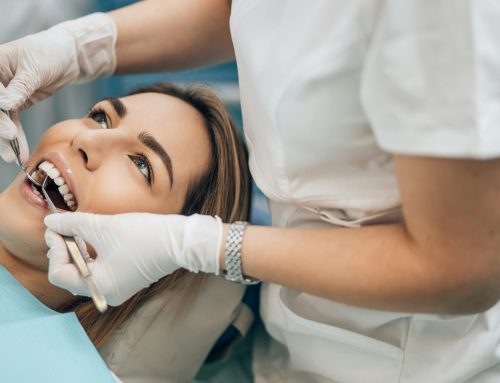
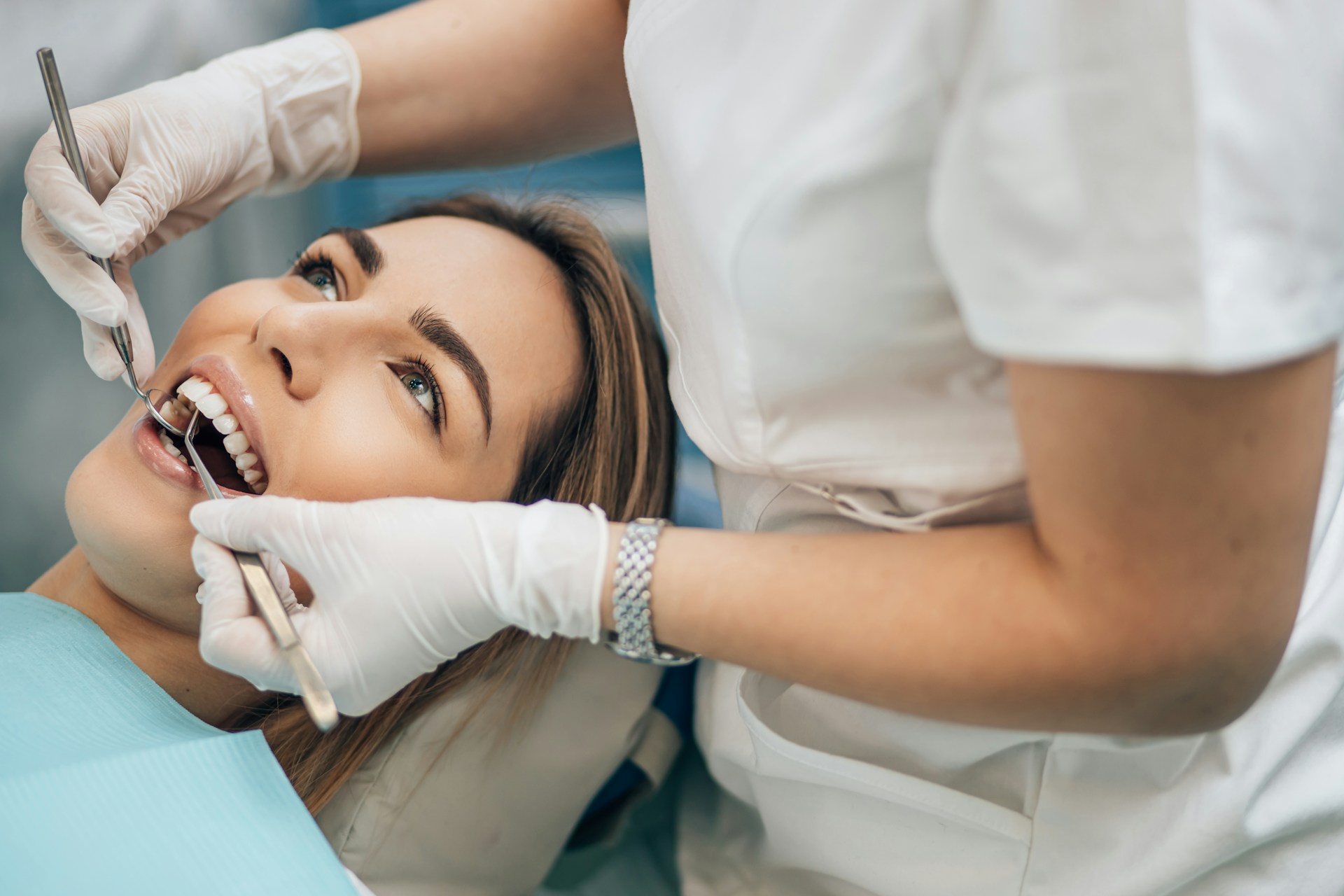
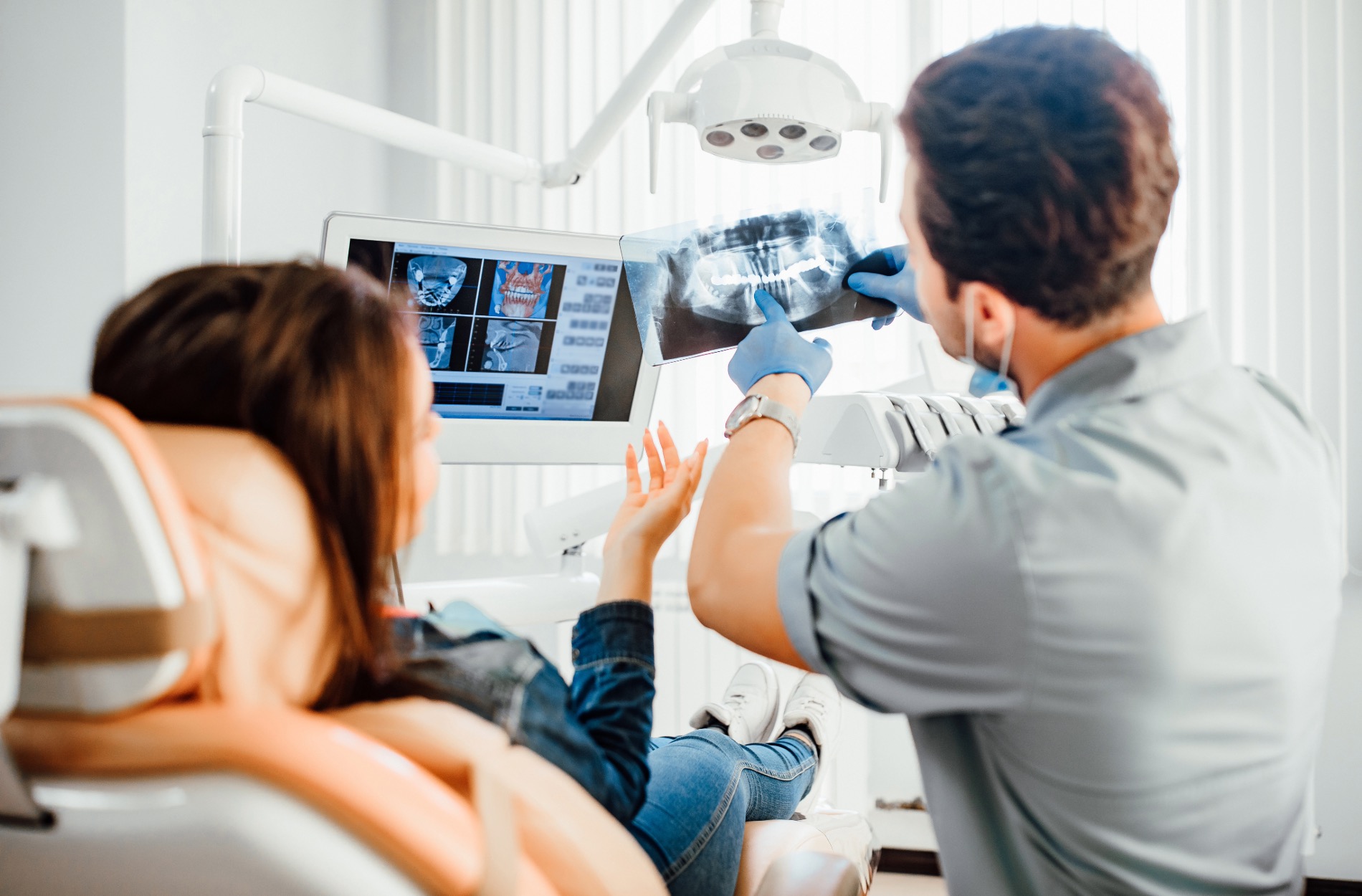
A routine dental exam in Flower Mound is about much more than getting your teeth polished. During that short visit, your dentist checks for early signs of cavities, gum disease, oral cancer, bite problems, and wear on your teeth. Catching issues early often means simpler treatment and better long-term health.
Still, many patients walk out feeling rushed, confused, or worried about what comes next. Some are surprised by follow-up needs or unsure why certain treatments were recommended. Often, these frustrations start with small, common mistakes that patients do not even realize they are making. When you avoid those mistakes, each visit can give you more answers, more comfort, and more value for your whole family.
Waiting Too Long to Schedule Your Dental Exam
One of the biggest mistakes is waiting until something hurts before planning a dental exam in Flower Mound. By the time pain shows up, a tiny cavity can turn into a deep infection, or mild gum irritation can turn into gum disease. Problems that might have been easy to handle can become much more involved.
Postponing also makes it harder to find a time that fits your life. Many families in Flower Mound and Hickory Creek rush to get in right before school starts or near the end of the year. That is when appointment times fill up fast, and you may have fewer choices.
To stay on track, it helps to remember:
- Most patients do best with exams every six months
- Some people need visits more often, especially if they get cavities easily or have gum issues
- Planning ahead around school breaks, busy sports seasons, and work projects keeps everyone on a smooth schedule
When exams happen regularly, you are far more likely to catch little problems before they turn into emergencies.
Arriving Unprepared and Forgetting Key Details
Another common mistake is walking into your exam with no information ready. Your medical history, medications, and dental insurance can all affect your care. If these are out of date in our system, it may slow things down or cause confusion about what is covered.
Helpful details to share before or during your visit include:
- New medical conditions or recent surgeries
- Any changes in medications or supplements
- Updates to your dental insurance or policy numbers
- Previous dental work done at another office since your last visit
It also helps to come in with a short list of questions. Maybe you feel a sharp spot on a tooth, notice jaw soreness in the morning, or want to ask about whitening. Writing it down means you will not forget once you are in the chair.
A little extra prep can make your appointment smoother:
- Arrive a few minutes early to handle forms or updates
- Bring any mouthguards, retainers, or nightguards so we can check the fit and condition
- Try to skip heavy staining foods or drinks right before your visit so it is easier to see what is going on with your teeth and gums
Being prepared helps your dental team focus on what matters most: giving you clear answers and a personalized plan.
Staying Silent About Pain, Anxiety, or Embarrassment
Many people try to be “tough” in the dental chair. They downplay pain, ignore sensitivity, or stay quiet about clicking jaws or headaches. When this happens, important clues may be missed. Things like cracked teeth, nighttime grinding, or early gum problems often show up first as mild discomfort.
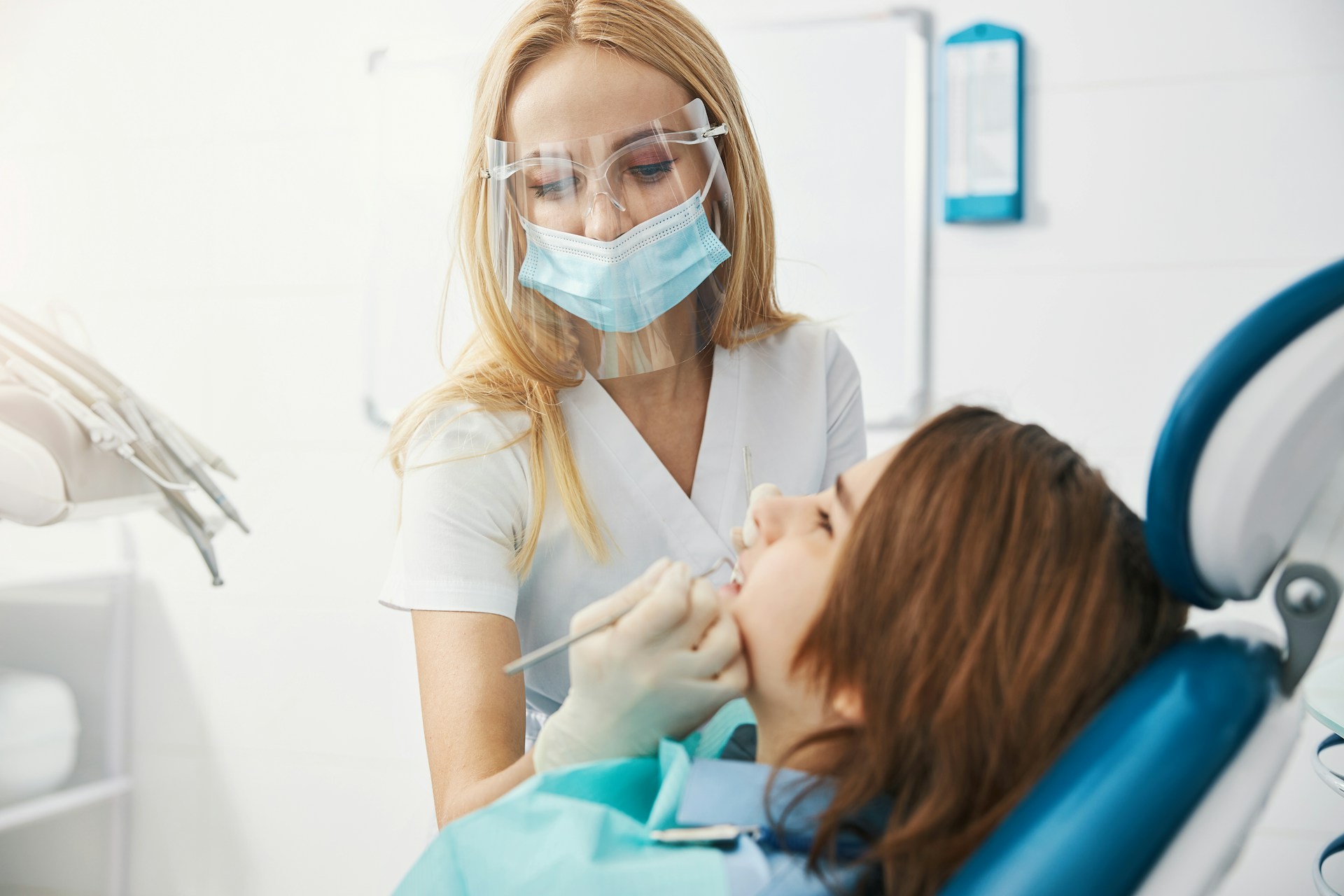
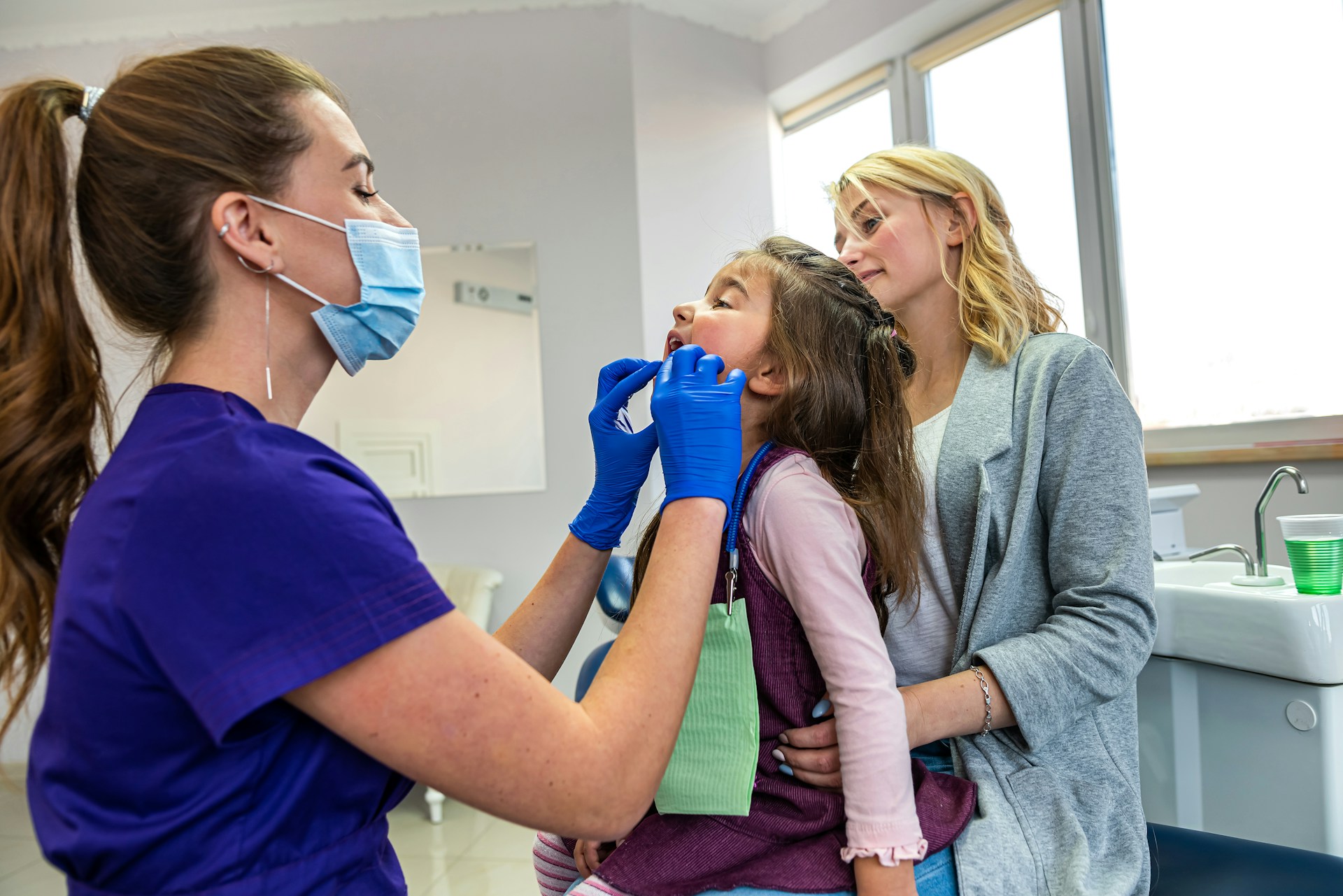
Silence can be just as harmful when it comes to feelings. Dental anxiety is very common. Some patients feel nervous about the sounds, the tools, or even just lying back in the chair. Others feel embarrassed about their teeth or gums and worry they will be judged. That can keep them from asking questions or coming in as often as they should.
At a family-focused office, we want you to tell us if:
- You feel nervous or fearful about any part of the visit
- You have trouble getting numb or had a bad past experience
- You feel embarrassed about the condition of your teeth or gums
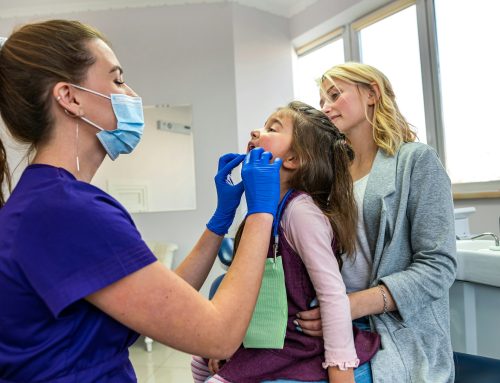
With honest communication, we can slow the pace, explain each step, offer breaks, and look at comfort options that fit you. Parents can help by speaking openly during their own visits so kids see that questions and feelings are welcome. When children hear adults calmly talking with the dentist, they learn that the dental office is a safe place to share, not a place to stay silent.
Overlooking Preventive Advice and Home Care Habits
Many patients listen politely during hygiene instructions, nod along, then go back to the same old habits at home. At the next exam, the same trouble spots show up again: tartar building behind the lower front teeth, bleeding gums between back molars, or stubborn plaque around braces and implants.
Turning exam feedback into action can change that pattern. A few small shifts at home often make a big difference, such as:
- Adjusting your brushing angle to reach the gumline better
- Committing to daily flossing or using a water flosser in tight spots
- Using fluoride or sensitivity toothpaste if recommended
- Following special cleaning steps for braces, aligners, or dental implants
Preventive care looks different for each stage of life. Children need help brushing and fun ways to build good habits. Teens with braces need extra time and tools to clean around brackets and wires. Adults may need tips for caring for crowns or implants, while older adults may need help managing dry mouth or cleaning around bridges.
When you treat exam advice like a personal playbook and not just something to listen to once, every visit builds on the last one instead of starting over.
Ignoring Recommended Follow-up and Treatment Plans
Another common mistake happens right after the exam is over. The dentist explains what they found, the team reviews the next steps, and the patient says, “I will schedule it later.” Then life gets busy, and that small filling turns into a cracked tooth that needs more involved treatment.
Delaying recommended care can lead to:
- Larger cavities that need deeper fillings or crowns
- Spread of infection that may require root canals or extractions
- Worsening gum disease that affects bone and tooth support
- A higher chance of sudden tooth pain at the worst possible time
If you feel unsure about your treatment plan, speak up before you leave. Ask which items are time-sensitive, which can safely wait, and how visits might be spaced out. Many offices can help you plan care in phases and explain how your dental insurance might help with different parts of the plan. When you stay on top of follow-up, you protect your long-term health and lower the risk of surprise emergencies that interrupt school, work, or family events.
Take the Next Step Toward Healthier Smiles Today
When you avoid these common exam mistakes, your visits feel calmer and more productive. You get clearer answers, stronger teeth, and healthier gums, and your whole family benefits from steady, preventive care instead of last-minute fixes.
At Dazzle Dental Care in Flower Mound and Hickory Creek, we focus on helping patients make the most of each dental exam. With thoughtful planning, open conversations, and good follow-through at home, every visit can move you closer to the healthy, confident smile you want.
Protect Your Smile With a Thorough Dental Checkup
If it has been a while since your last visit, now is the perfect time to schedule a dental exam in Flower Mound with Dazzle Dental Care. Our team will carefully check your teeth, gums, and overall oral health so we can address small concerns before they turn into bigger problems. We make it simple to book an appointment or ask questions, and you can easily reach our team when you are ready to get started by using contact us.