
Broken Crown Vs. Chipped Tooth: Finding Urgent Care in Flower Mound
Protect Your Tooth with Prompt Emergency Care
A sharp edge after biting a hard holiday treat or a crown that suddenly feels loose can put a damper on any day, especially before a busy Thanksgiving gathering. A chipped tooth and a broken crown can both need prompt attention, but the level of urgency depends on pain, exposed tooth structure, swelling, and the chance of further damage.
At Dazzle Dental Care, we help patients in Flower Mound, Lewisville, and Highland Village understand what may be happening and what to do next. Knowing the difference between a damaged natural tooth and a damaged restoration can help you protect your smile until we can examine it.
Know the Difference Between a Chipped Tooth and Broken Crown
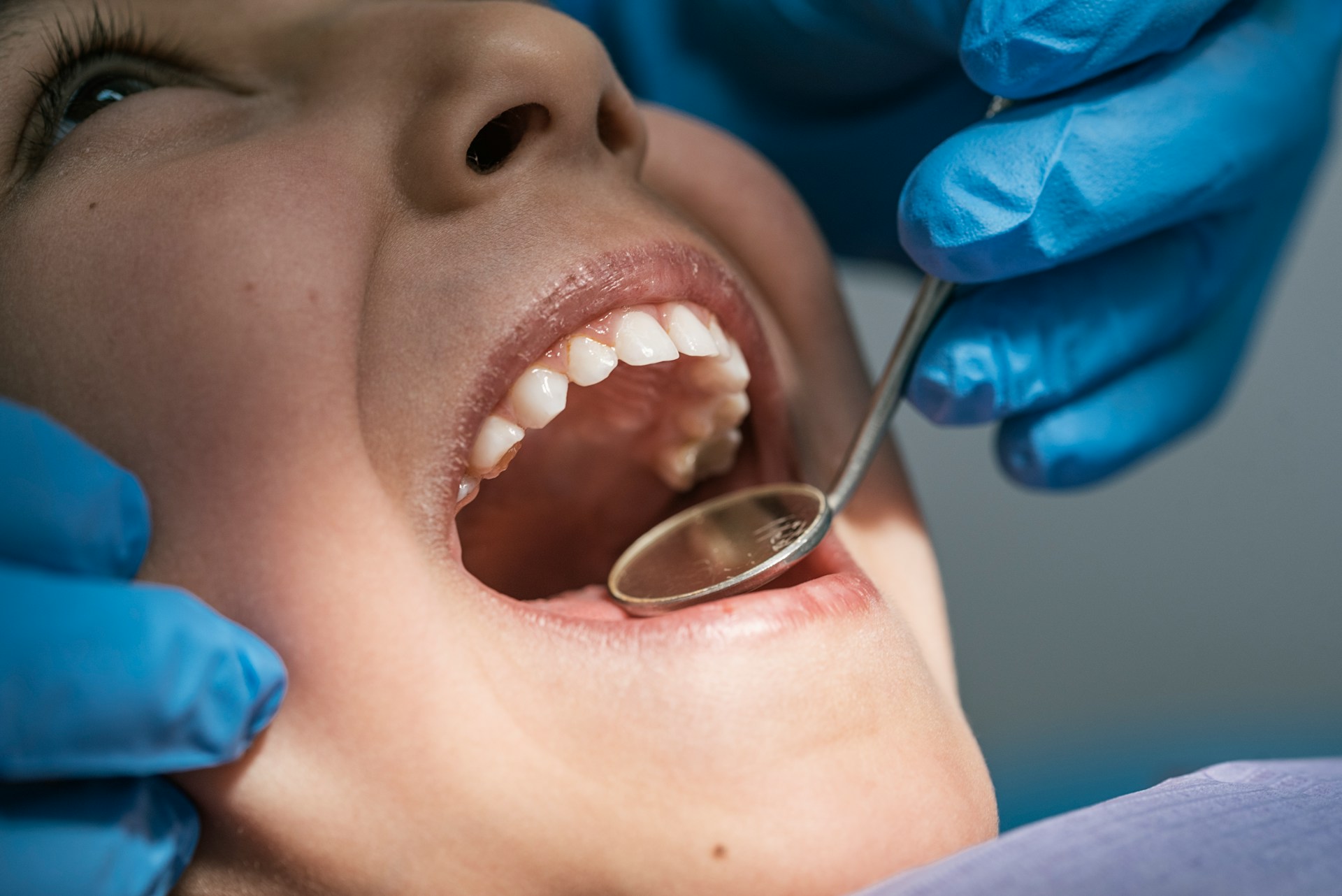
A chipped tooth means part of your natural enamel has broken away. This may happen after biting something hard, grinding your teeth, taking a sports-related hit, or falling. A small chip may not hurt right away, but it can leave a rough spot that catches on your tongue or cheek. It may also make the tooth more sensitive or allow a deeper crack to grow.
A broken crown is different because a crown is a restoration placed over a tooth that needs added protection. The crown itself may crack, break, loosen, or come off. When that happens, the tooth under it may be more exposed to heat, cold, pressure, bacteria, and possible fracture.
Both problems deserve attention, particularly if you notice:
- Pain when biting or chewing
- A sharp edge against your tongue or cheek
- Bleeding, swelling, or increased sensitivity
- A loose crown or a crown that has fallen out
For patients who need crown and bridge in Flower Mound, a timely evaluation can help us determine whether the existing restoration can be repaired or whether the tooth needs a new form of protection.
Watch for Signs That Require Urgent Dental Attention
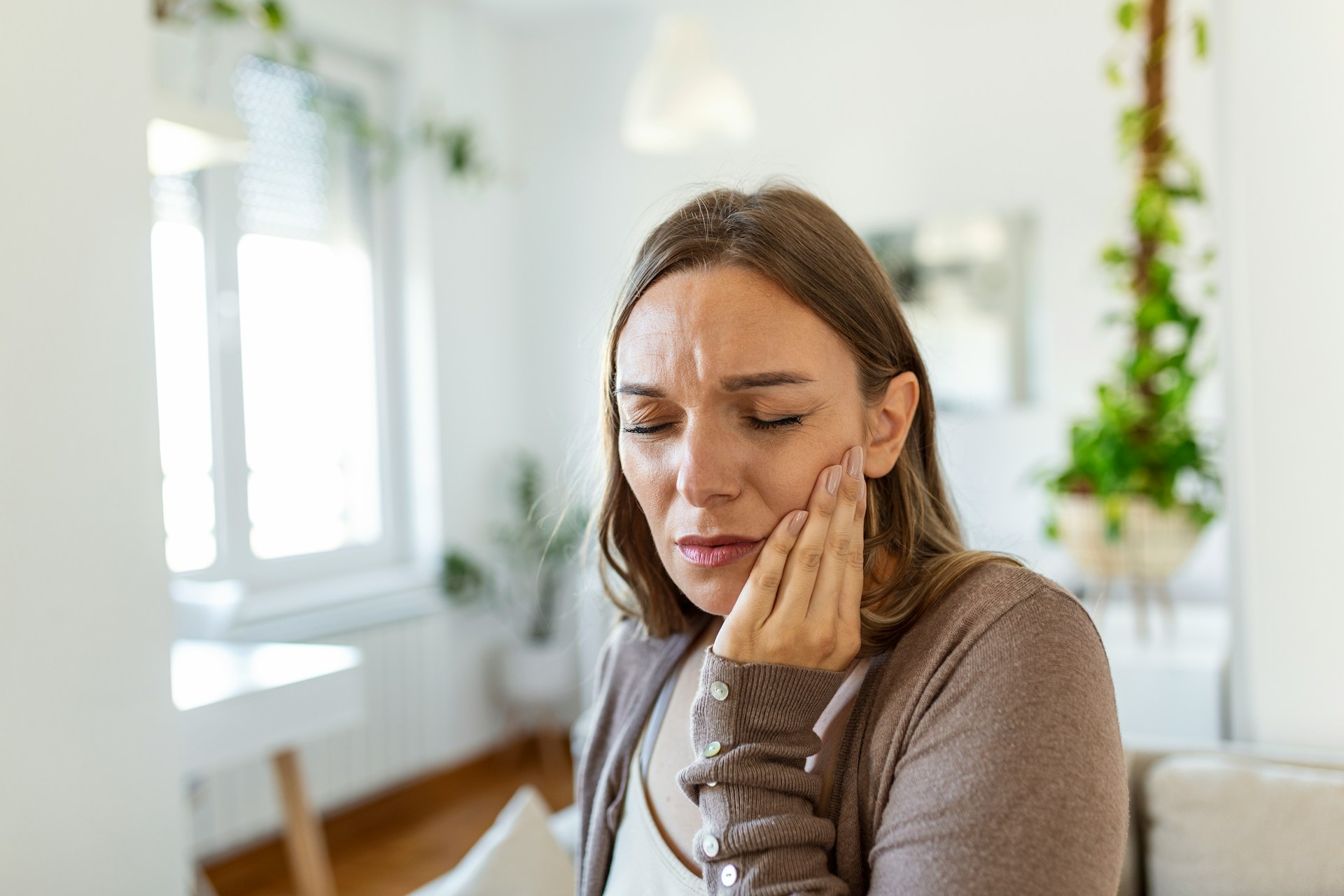
Not every chip causes severe pain, but it is still wise to take changes in your tooth seriously. A toothache after damage may point to more than surface enamel loss. It can happen when the inner part of the tooth is exposed, a crack reaches deeper into the tooth, decay has developed beneath an older crown, or a damaged bite puts uneven pressure on the area.
Some warning signs call for urgent dental attention. These include:
- Severe or lingering tooth pain
- Visible cracks, missing tooth pieces, or a knocked-out crown
- Swelling in the gums, jaw, face, or cheek
- Pus near the gumline or a bad taste in the mouth
- Bleeding that does not stop
- Pain that makes it hard to eat, sleep, or close your teeth together normally
Facial swelling with fever or trouble breathing needs immediate medical attention. Those symptoms can signal a problem that should not wait.
Busy fall weeks can make it tempting to put off dental care until after family meals, travel, or celebrations. Still, waiting with a loose crown, chipped tooth, or persistent toothache can allow the damage to worsen. We recommend getting guidance as soon as you notice a concern, whether you are in Flower Mound, Lewisville, or Highland Village.
Take Safe Steps Before Your Emergency Dental Visit
Until we can see you, gentle care can help limit irritation. Rinse your mouth carefully with warm water to clear away food particles. If part of a tooth breaks or a crown comes off, place the piece in a clean container and bring it with you. Depending on the condition of the crown and the tooth underneath, it may still be useful during treatment.
Protect the area by chewing on the other side of your mouth and choosing softer foods. It is best to avoid foods that could press, pull, or crunch against the damaged tooth, including:
- Sticky candy or caramel
- Ice and hard nuts
- Popcorn and hard crusts
- Crunchy snacks and chewy treats
A cold compress against the outside of your face may help with swelling. Over-the-counter pain relief may also be appropriate when used as directed for you. We do not recommend using household glue to put a crown back in place. Aspirin should never be placed directly on the gums, either, because it can irritate the tissue.
Restore Comfort with Personalized Treatment Options
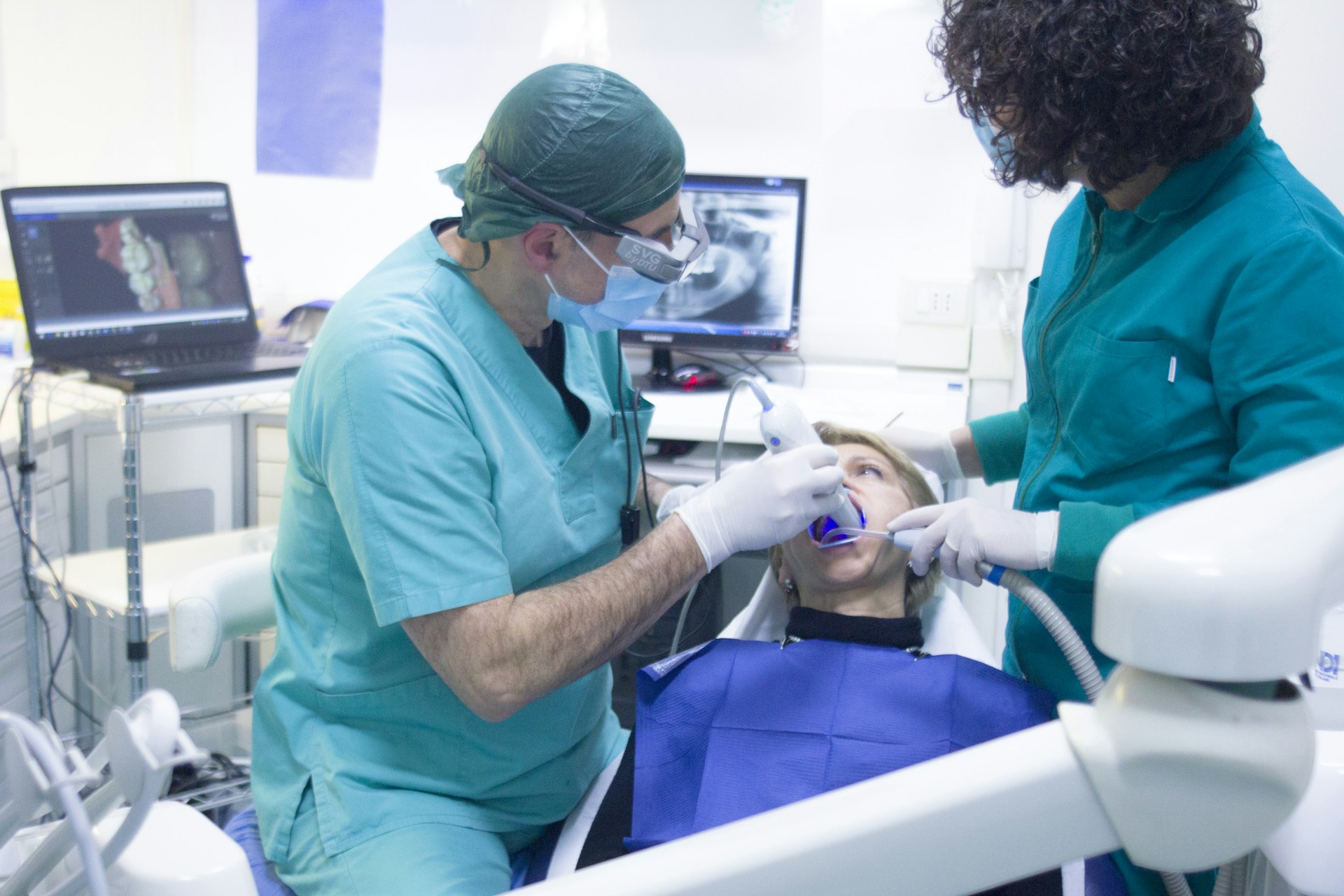
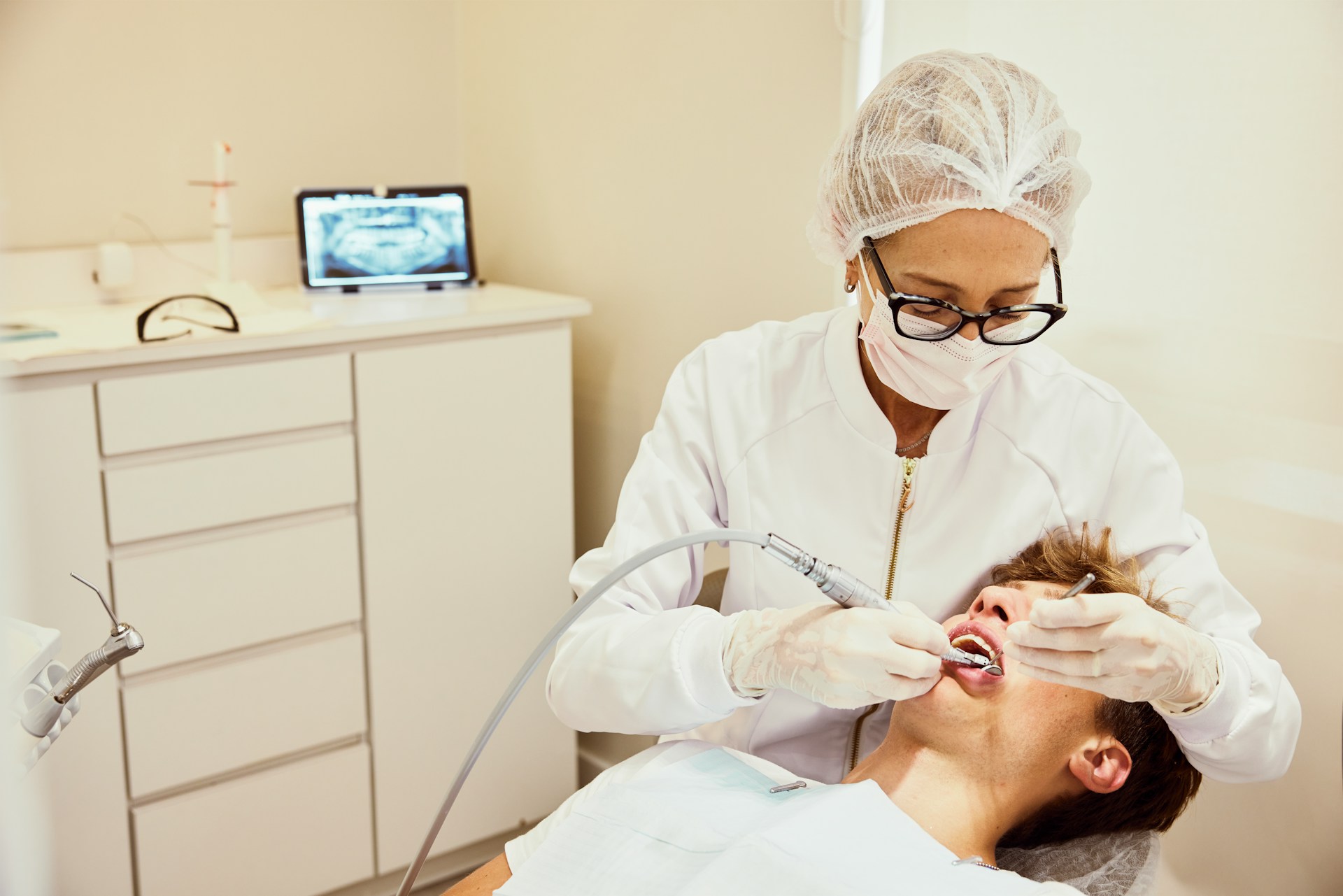
Treatment depends on what we find during a full exam. For a small chip, we may be able to smooth the rough edge. Larger chips may need dental bonding, a veneer, or a crown to protect the tooth and restore its shape. The location of the damage, the strength of the tooth, and the way your teeth come together all matter when we recommend care.
When a crown is damaged, we first look at the crown, the tooth beneath it, the gums, and your bite. An intact crown that has simply come loose may sometimes be recemented. A small fracture may need repair, while a badly damaged restoration may need replacement. If decay or infection is affecting the tooth under the crown, that concern must be addressed before a new restoration is placed.
Our crown and bridge in Flower Mound care is part of a broader approach to restoring comfort, function, and appearance. We consider the affected tooth as well as nearby teeth and existing dental work, helping us create a plan that supports your whole smile.
Act Before Damage Gets Worse
A chipped tooth, loose crown, broken crown, or ongoing toothache is easier to address before the problem turns into more pain or further damage. Prompt emergency dental care may help reduce discomfort, limit the risk of infection, and improve the chance of preserving your natural tooth or existing restoration.
If you need lasting repair after dental damage, our restorative options can help protect your smile and support everyday function. At Dazzle Dental Care, we will discuss your crown and bridge in Flower Mound needs and recommend care tailored to your situation. Reach out through our contact page to get started.