Halloween Candy Habits That Send Kids to a Dentist in Flower Mound
Spooky Sweets, Real Risks: Protecting Kids’ Smiles This Halloween
Halloween around Flower Mound and Hickory Creek is full of costumes, school parties, trunk-or-treat events, and big bags of candy. For kids, it is one of the most exciting times of the year. For their teeth, it can be one of the hardest.
One candy-filled night is usually not the problem. The real trouble comes from “candy season,” when treats stick around the house from October into early November. Those extra weeks of sugar can quietly raise the risk of cavities, enamel erosion, and even dental emergencies. What sends many kids to a kids’ dentist in Flower Mound after Halloween is not just which candies they eat, but how and when they eat them. Our team at Dazzle Dental Care wants families to enjoy the fun while keeping smiles healthy, with a friendly, no-judgment approach that works for real life.
Sticky, Sour, and Hard Candy Nightmares
Some types of candy are harder on young teeth than others. Knowing which ones do the most damage can help you set simple limits without stopping the fun.
Sticky candies that cling to teeth include things like:
- Caramels
- Taffy
- Fruit chews
- Gummy candies
These treats wedge into the grooves of molars and between teeth. They stay stuck for a long time, feeding cavity-causing bacteria long after the candy is gone from your child’s mouth. Sticky candy is extra risky if your child has:
- Deep grooves in their back teeth
- Braces
- Sealants or fillings
When kids snack on these treats often, it is easier for early cavities to start between visits. A kids’ dentist in Flower Mound can catch those early spots at checkups, but reducing sticky snacks can stop many from forming in the first place.
Sour and super-acidic sweets are another problem. Sour gummies, powders, and “extreme” sour candies are very acidic. That acid can soften tooth enamel, which is the hard outer layer that protects teeth. If kids brush right after eating sour candy, the softened enamel can wear away even faster. It is safer to:
- Rinse with plain water
- Wait about 30 minutes
- Then brush gently
Parents may notice early signs of enamel wear, like teeth that look dull or chalky, or kids complaining that cold drinks or ice cream feel sharp or tingly.
Hard candies and lollipops bring their own set of risks. These treats stay in the mouth for 10 to 20 minutes or more, bathing teeth in sugar the whole time. On top of that, kids often bite down on them when they get impatient, which can crack or chip a tooth. That can lead to emergency visits that no one wants late at night after trick-or-treating. Simple strategies that help include:
- Limiting how many hard candies kids keep
- Trading them for chocolate or other melt-in-the-mouth treats
- Teaching kids not to crunch them
Halloween Habits That Quietly Damage Young Teeth
The way kids eat their Halloween candy often matters more than the candy itself. A few small habit changes can protect their teeth in a big way.
All-day snacking from the candy bucket is one of the toughest habits. When kids reach into the candy bowl over and over, their teeth never get a break. Every bite starts a new “acid attack” in the mouth, and if this keeps happening all day, saliva does not get enough time to repair enamel.
Even if it is “just one fun-size piece,” ten times a day is harder on teeth than a few pieces eaten at once with a meal. A better approach is to:
- Set candy “treat times,” such as after lunch and after dinner
- Pair candy with water to rinse the mouth
- Serve treats right after a balanced meal, not in between
Candy before bedtime and late-night treats are especially risky. At night, saliva flow slows down, so sugar and acids sit on the teeth much longer. That is why candy as a bedtime snack can be one of the worst habits for kids’ oral health. A helpful family rule is “no candy after brushing.” That means:
- All treats happen before the evening routine
- Brushing and flossing are the last steps, not just a quick rinse
- Nothing but water after teeth are cleaned
Forgetting to adjust brushing and flossing when the candy load goes up is another quiet problem. During Halloween season and fall events, kids often eat more sweets than usual. Their teeth need a little extra help. Parents can:
- Watch younger children brush to be sure they reach back molars and along the gumline
- Make nightly flossing non-negotiable, especially with sticky or chewy treats
- Pay special attention to flossing around braces and between tight teeth
Smart Candy Swaps and Smile-Saving Strategies
You do not have to ban candy to protect your child’s smile. With a few smart swaps and a simple plan, kids can enjoy the holiday and keep their teeth healthier.
Safer candy choices that still feel fun include:
- Chocolate, especially plain milk or dark chocolate
- Candy that melts quickly, like chocolate bars or peanut butter cups
- Sugar-free gum with xylitol
Chocolate tends to rinse off teeth more easily than sticky or gummy treats. Melty candies spend less time clinging to tooth surfaces. Sugar-free gum with xylitol can even help boost saliva and make it harder for cavity-causing bacteria to stick.
Tactical timing also matters. It helps to:
- Offer candy right after meals, when saliva is already flowing
- Give kids water to drink after their treats
- Avoid candy as a stand-alone snack, especially between meals
A daily “candy window” can be helpful. For example, kids may choose a couple of pieces after school and a couple after dinner. Outside that window, the candy bucket is off-limits.
Creating a Halloween candy game plan can reduce stress for everyone. On Halloween night or the next day, you can:
- Sort candy into “keep” and “trade” piles
- Keep more tooth-friendly options like chocolate
- Set aside or toss the stickiest, sourest treats
Some families like to do a “Candy Buy-Back” at home. Parents trade certain candies for small toys, extra story time, a family movie night, or a fun outing. Clear, simple rules help kids know what to expect so they are less tempted to sneak candy when no one is looking.
When It’s Time to Call a Kids’ Dentist in Flower Mound
Even with the best habits, issues can still pop up after Halloween. Some warning signs should never be ignored, such as:
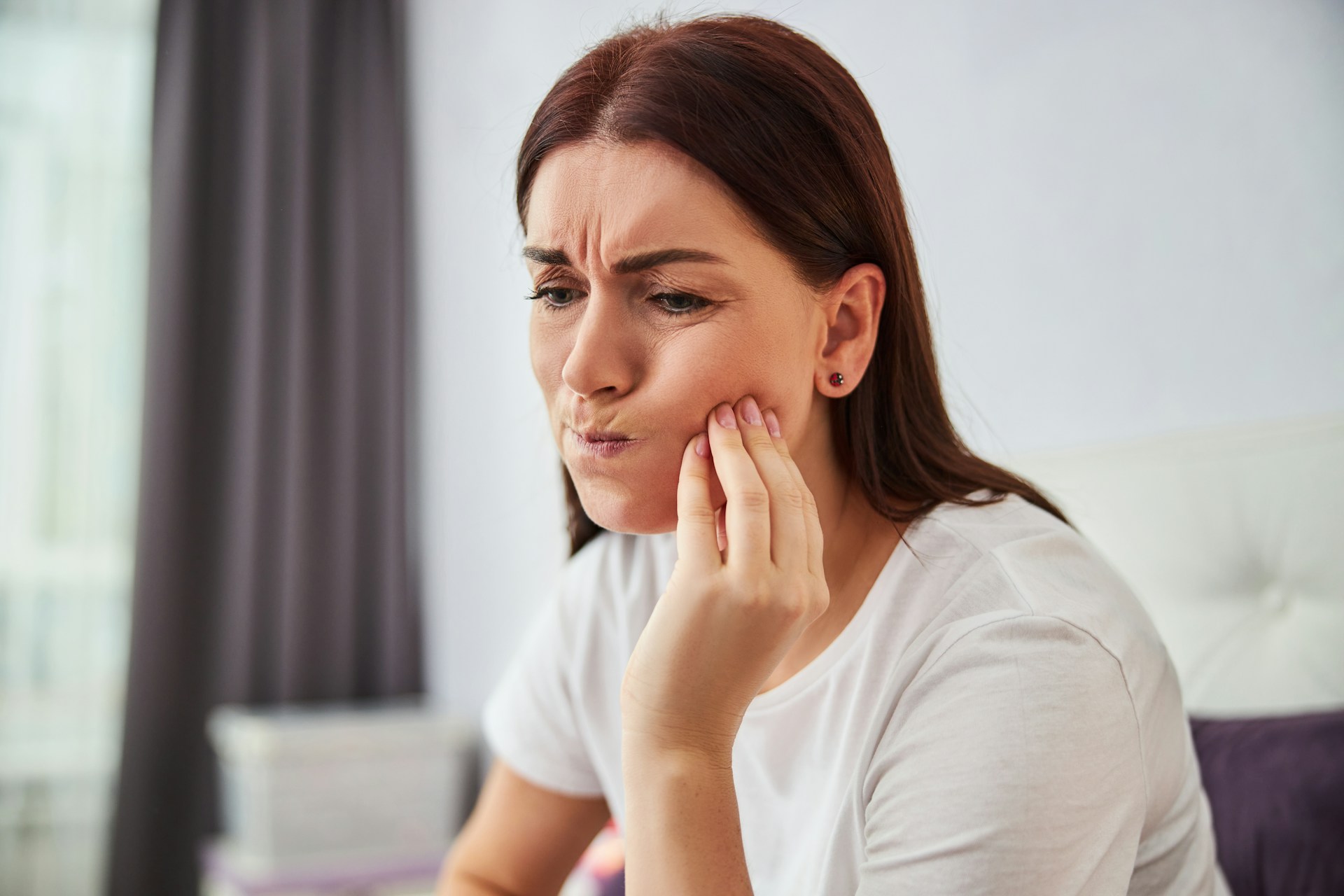
- Tooth pain when biting or chewing
- Sensitivity to hot or cold that does not go away
- Visible chips, cracks, or dark spots on teeth
- Complaints that “food keeps getting stuck” in one place
Mouth injuries from fall sports, playground mishaps, or biting down on hard candy can also lead to cracked or broken teeth. When parents bring kids in early, care is often simpler and more comfortable.
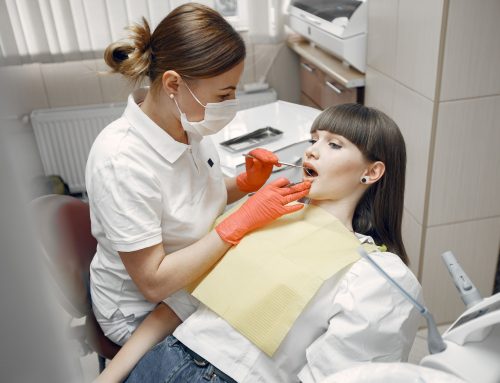
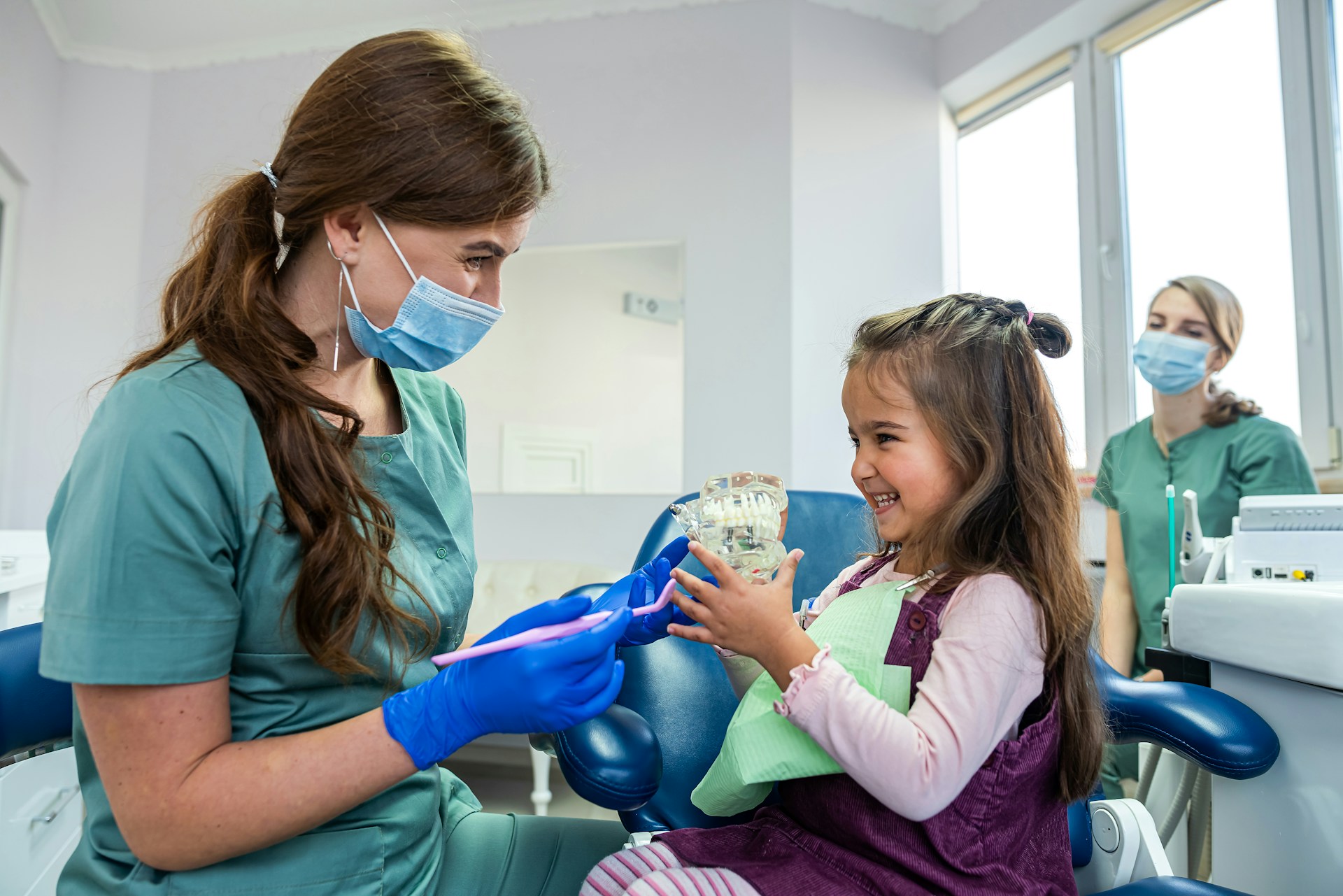
At Dazzle Dental Care in Flower Mound and Hickory Creek, we focus on helping anxious kids feel calm and safe. Our offices are designed with families in mind, and we use modern technology to keep visits efficient and as gentle as possible. Building a positive relationship with a kids’ dentist in Flower Mound before an emergency makes it easier for children to handle urgent visits later.
Preventive visits around Halloween and throughout the year are a smart habit. During these visits, we:
- Carefully clean away plaque and tartar, especially in the deep grooves where sticky candy hides
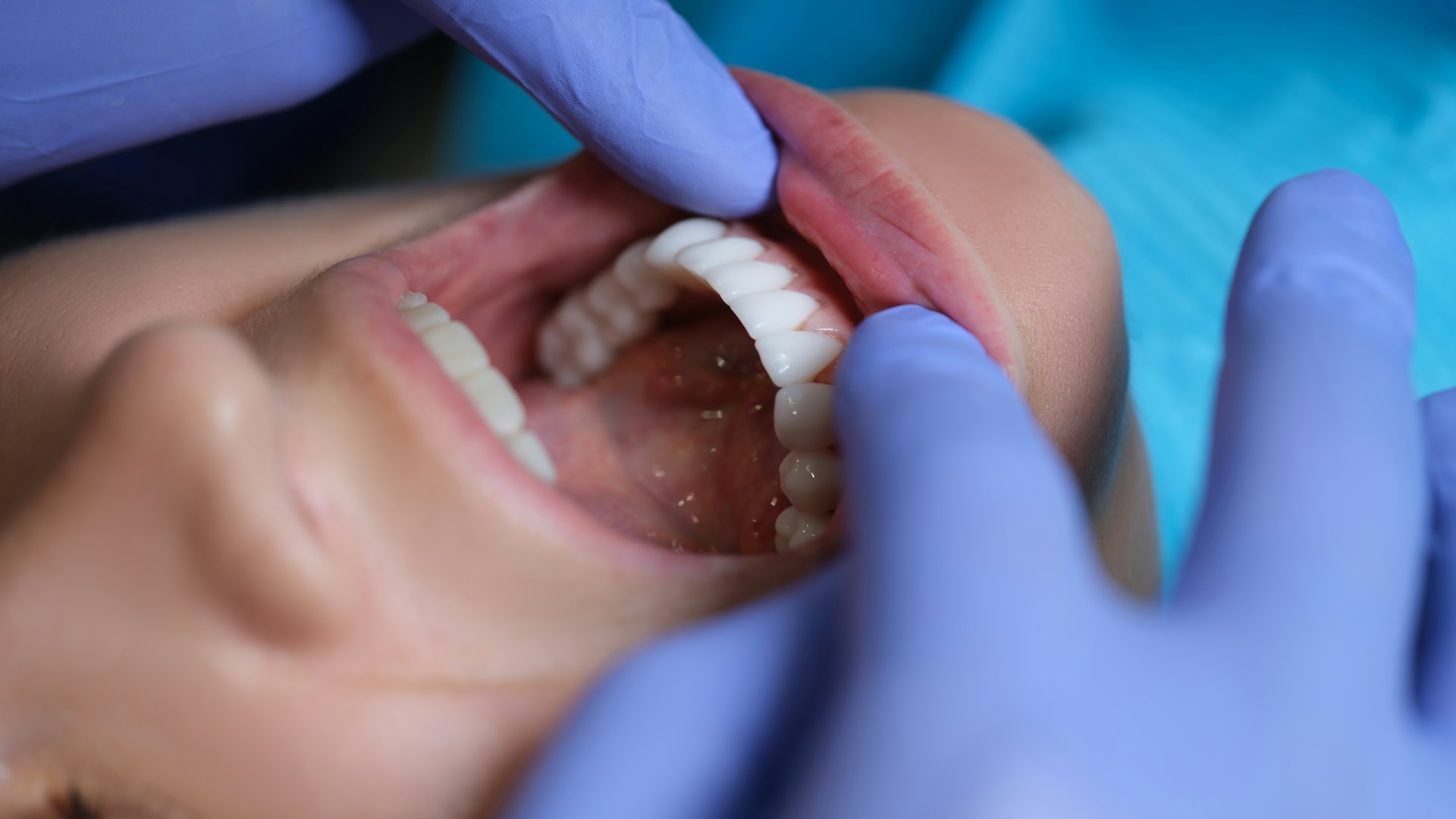
- Check for early signs of decay or enamel wear
- Offer fluoride treatments, sealants, and age-appropriate hygiene tips based on each child’s needs
Make This Halloween Fun Now and Cavity-Free Later
Halloween can stay fun without turning into a dental headache. Even one or two new habits, like setting candy treat times or skipping sticky candies at bedtime, can make a big difference for your child’s smile.
With a simple candy plan at home and regular care from a friendly dental team, families around Flower Mound and Hickory Creek can enjoy the season, avoid painful surprises in November, and help kids keep their teeth healthy for many Halloweens to come.
Help Your Child Enjoy Stress-Free Dental Visits
Give your child the confidence of a healthy smile by partnering with a trusted kids’ dentist in Flower Mound who understands their unique needs. At Dazzle Dental Care, we create a calm, caring environment that helps kids feel safe and supported at every appointment. If you are ready to schedule a visit or have questions about your child’s dental health, simply contact us and we will be happy to help you get started.