What Happens When a Tooth Is Knocked Out in Flower Mound
A knocked-out permanent tooth needs emergency dental care right away. Fast, careful action may give the tooth a chance to be placed back in its socket and saved.
Falls, sports injuries, bike crashes, playground accidents, and Halloween mishaps can happen without warning in Flower Mound. At Dazzle Dental Care, we want families to know what to do in those first stressful moments, especially because a baby tooth and a permanent tooth need very different care.
A Knocked-Out Tooth Needs Fast Action
The first 30 to 60 minutes after a tooth is knocked out can make a meaningful difference. Staying calm, protecting the tooth, and getting prompt care from an emergency dentist in Flower Mound helps us evaluate the injury and protect your long-term oral health.
First, determine whether the tooth is a permanent tooth or a baby tooth. Never try to put a knocked-out baby tooth back into the gums. Reimplanting a baby tooth could harm the developing permanent tooth underneath it.
A permanent tooth, however, may be able to be saved if it is handled correctly and treated quickly. Even if you are unsure which type of tooth was lost, keep the tooth moist and seek dental care without delay.
The First 30 Minutes Can Save the Tooth
Start by finding the tooth as soon as it is safe to do so. Pick it up only by the crown, which is the part normally visible above the gums. Avoid touching the root, since delicate cells on that surface are needed for the tooth to reattach.
If the tooth is dirty, gently rinse it with milk, saline solution, or clean water. Do not scrub it, brush it, disinfect it, or wrap it in a tissue. Those steps can damage the root surface.
For a knocked-out permanent tooth, we recommend these immediate measures:
- Hold the tooth by the crown only.
- Gently rinse away visible dirt without scrubbing.
- Carefully place the tooth back into its socket if it feels safe to do so.
- Have the person gently bite on clean gauze or a soft cloth to help hold it in place.
- If reinsertion is not possible, keep the tooth moist while you seek emergency dental care.
A tooth should not be forced into the socket. Young children, anyone who may swallow the tooth, or anyone who cannot safely hold it in place should store it instead.
Protect the Tooth Before You Reach the Dentist
Milk is often the best easy-to-find storage option for a knocked-out permanent tooth. Saline solution or a tooth preservation kit can also work well. If those are not available, the tooth may be placed in a clean container with the patient’s saliva. Avoid leaving it in tap water for an extended time, since water can harm the cells on the root.
Dental injuries can also include cuts, swelling, bleeding gums, a chipped tooth, or jaw pain. Use gentle pressure with clean gauze to help control bleeding, and place a cold compress on the outside of the face to help with swelling.
Some injuries need medical emergency care before dental treatment. Seek urgent medical help for heavy bleeding that does not stop, loss of consciousness, vomiting, trouble breathing, severe facial trauma, or a possible jaw fracture.
What We Look for During an Emergency Visit
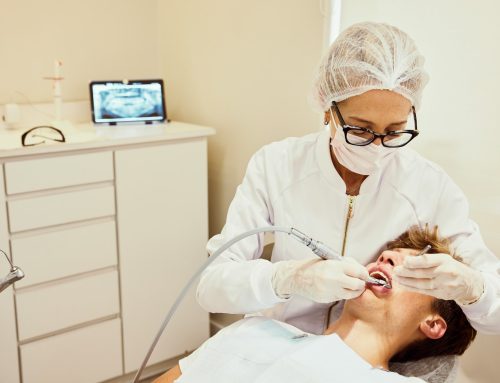
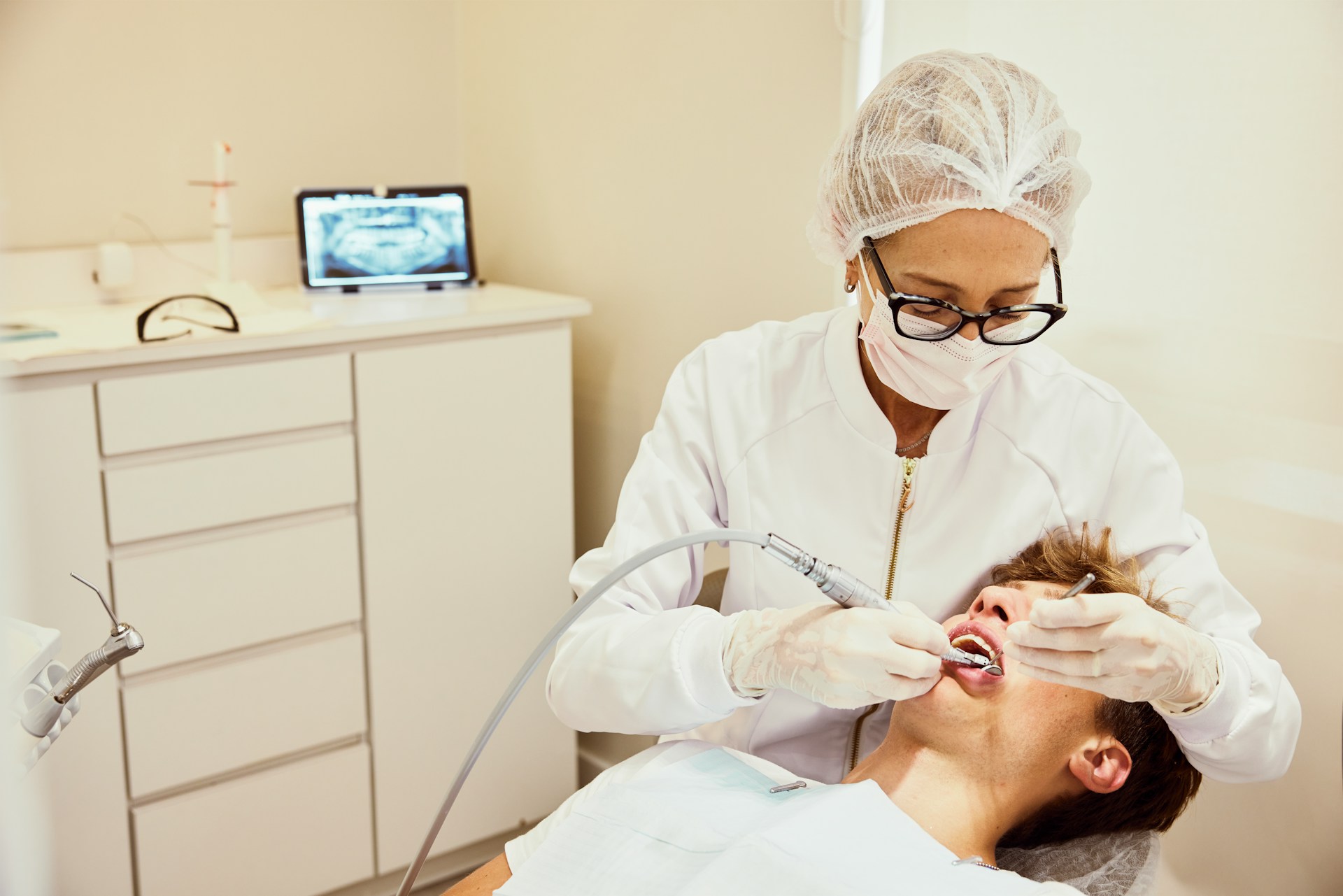
Once you arrive, we will examine the tooth, gums, socket, nearby teeth, and surrounding tissues. Digital X-rays may be needed to check the tooth position, jawbone, and roots, as well as damage that cannot be seen from the outside.
When a permanent tooth can be reimplanted, we may gently place it back into the socket and stabilize it with a small flexible splint. Follow-up visits are often needed so we can monitor healing. Depending on the injury, root canal treatment may be recommended later to help protect the tooth from infection.
Not every knocked-out tooth can be saved, especially if it was not recovered or the injury was severe. In those cases, we can discuss age-appropriate ways to replace the missing tooth after evaluating your smile and healing needs. Options may include a temporary replacement, a dental bridge, or a dental implant after healing.
Fall Activities Can Raise Dental Injury Risks
Late October brings plenty of active days around Flower Mound, Lewisville, and Highland Village. Football, soccer, cycling, skateboarding, school events, and Halloween activities can all raise the risk of falls and collisions.
Small safety habits can help lower the chance of a mouth injury:
- Watch for uneven sidewalks, curbs, and dark driveways.
- Choose costumes and masks that do not block vision.
- Wear a helmet for cycling, skating, and similar activities.
- Use a custom-fitted sports mouthguard for contact sports and recreation.
- Keep clean gauze and a cold pack available at home and while traveling.
A properly fitted mouthguard can help reduce the risk of chipped teeth, knocked-out teeth, soft tissue injuries, and jaw trauma. We also encourage families to keep a simple dental emergency plan so everyone knows how to handle and store a knocked-out permanent tooth.
Fast Care Gives Your Tooth Its Best Chance
A knocked-out permanent tooth should not wait for a routine visit. Handle it by the crown, keep it moist, and seek an emergency dentist in Flower Mound as quickly as possible.
At Dazzle Dental Care, we provide emergency dental care for knocked-out teeth, chipped teeth, toothaches, and other unexpected dental injuries. Prompt evaluation can help relieve pain, address infection concerns, and preserve as much natural tooth structure as possible. If you need an emergency dentist in Flower Mound, our team is ready to help you understand your next steps. Contact us to request prompt care for your dental concern.