Jaw Clicking Without Pain: Causes, Self-Care, and When to See a Dentist
Jaw clicking without pain can feel strange and a little worrying. You open wide to bite into a sandwich or yawn, and your jaw makes a pop or click. When there is no pain, most people are not sure if they should ignore it or rush to the dentist. It helps to understand what that click means and when it actually matters for your health.
In this post, we will talk about what causes painless jaw clicking, simple ways to be kinder to your jaw at home, and when it is smart to have the joint checked. We will also explain how a general dentist can decide if you need imaging or a TMJ specialist, so you know what to expect if you come in for an exam in Flower Mound or Hickory Creek.
When Jaw Clicking Is More Annoying Than Alarming
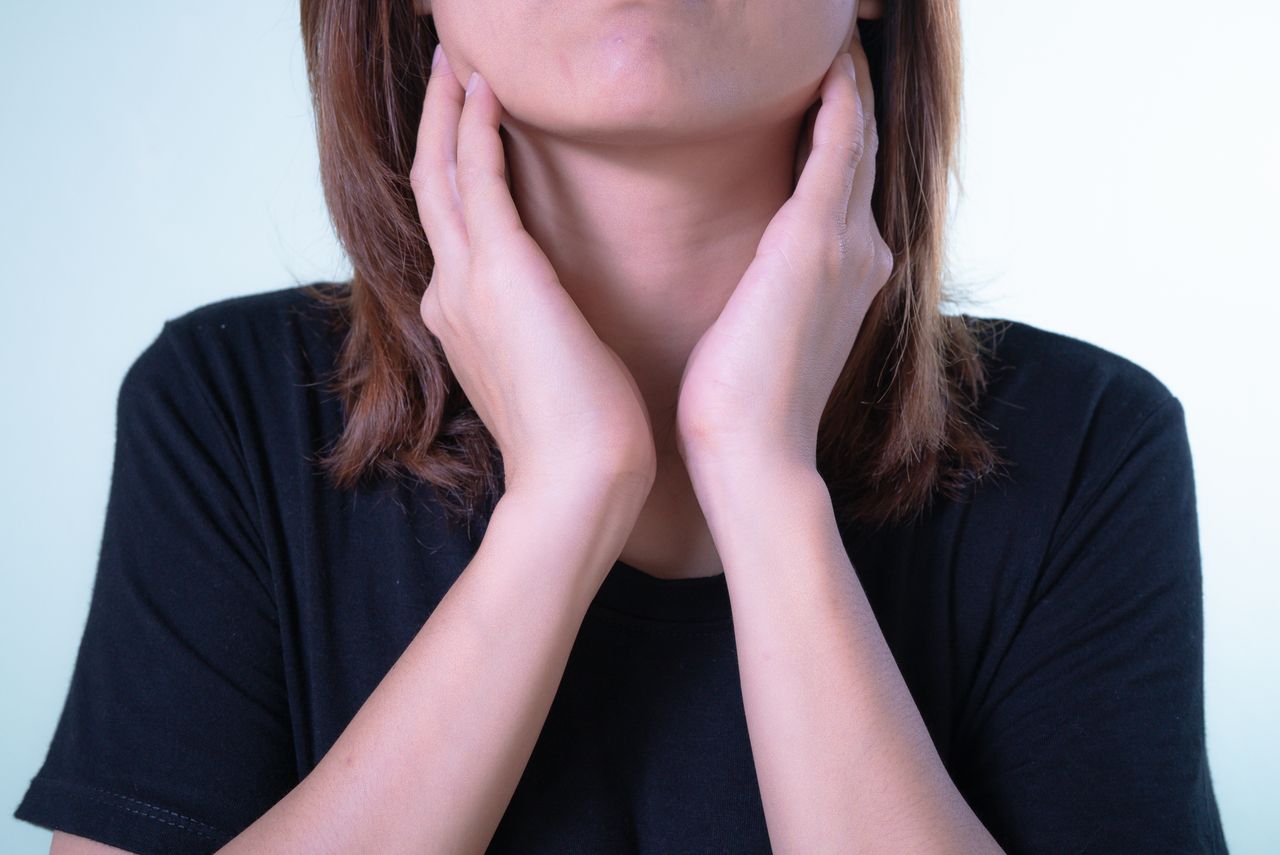
When people say their jaw is “clicking” or “popping,” they usually mean they feel or hear a small sound in front of the ear when they chew, talk, or yawn. This sound often comes from the TMJ, short for temporomandibular joint. You have one on each side, and they allow your jaw to open, close, and slide.
Painless clicking by itself is common. It can show up during busy seasons, like back-to-school or during packed sports schedules, when you might be clenching more or using your jaw in new ways. Most of the time, if there is no pain or locking, it is not an emergency.
Our goals here are simple: explain what may be causing that click, share gentle self-care tips you can start right away, and help you know when a Flower Mound dentist might order imaging or refer you for TMJ care.
What Your Painless Jaw Clicking Is Telling You
The TMJ is a small but hard-working joint where your lower jaw meets the skull. Between the bones sits a small cartilage disc that acts like a cushion. Muscles and ligaments around the joint guide how the jaw moves when you speak, chew, or yawn.
When everything is in balance, the disc stays in place and the joint moves smoothly. When things are a little off, the disc can shift slightly or ligaments can loosen, and the joint may make a click as the disc moves in and out of position. Some common, non-serious reasons for painless clicking include:
- Slightly loose ligaments in the joint
- A minor disc shift that still moves back into place
- Muscle tension in the cheeks, jaw, or neck
- Small bite changes as teeth wear or shift
- Habits like gum chewing, nail biting, or chewing on pens
It also helps to know the difference between “benign” clicking and more serious signs. Simple clicking is usually less worrisome when there is no pain or tenderness, your jaw does not lock or get stuck, you can open and close fully, and there is no swelling or heat around the joint.
On the other hand, you should not ignore your TMJ if you notice any of the following warning signs:
- Pain in the jaw, face, or around the ears
- Locking, catching, or jaw that feels stuck
- Trouble opening wide or moving side to side
- Swelling, stiffness, or a change in how your teeth fit
Everyday Habits That Can Aggravate TMJ Clicking
Daily routines have a big impact on the TMJ. During busy school and work seasons, many people grind or clench without noticing it. Sports, music, and extra activities can all add small stresses to the jaw. Some common triggers include sports mouthguards that do not fit well or are chewed on, long band or choir practices that keep the mouth open or tense, and stress from new schedules that leads to clenching at night or during the day.
Lifestyle habits can also make clicking worse, especially when they repeatedly load the joint or overwork the surrounding muscles:
- Chewing hard or sticky foods like nuts, ice, or tough jerky
- Frequent gum chewing
- Biting fingernails or chewing on pencils
- Leaning your head on your hand and putting pressure on the jaw
- Slouching at a desk or looking down at a phone for long periods
Over time, these patterns can strain both the joint and the muscles around it. A harmless click can start to come with muscle fatigue, headaches near the temples, or a feeling that the jaw is working harder than it should.
Simple Self-Care to Calm Jaw Clicking at Home
Gentle self-care can give the TMJ a chance to recover. You do not have to change your life, just make some small, steady choices that reduce strain while the joint and muscles settle down.
Try giving your jaw a “rest week”:
- Choose softer foods for a few days, like cooked vegetables, pasta, or yogurt
- Take smaller bites instead of stretching wide
- Avoid very chewy snacks, tough meats, and sticky treats
- Try not to force wide yawns or big bites of sandwiches
You can also ask your dentist about simple jaw and posture ideas that support calmer, more balanced movement:
- Relaxed jaw position: lips together, teeth slightly apart, tongue resting lightly on the roof of the mouth
- Slow, controlled opening and closing in front of a mirror, staying in a straight line
- Gentle neck and shoulder stretches to release tension, especially if you sit a lot
Stress care matters for TMJ health too, because stress often shows up as clenching, grinding, and muscle tightness. These basics can help reduce that load:
- Aim for steady, regular sleep
- Drink enough water through the day
- Take short “unclench” breaks where you check in and relax your jaw and shoulders
- Ask your dentist if a nighttime bite guard is right for you if you grind or clench
When Your Flower Mound Dentist Should Order Imaging or Refer
There are times when a TMJ evaluation is the right next step. You should plan to see a dentist for a TMJ-focused visit if you notice:
- Clicking that becomes painful instead of painless
- Jaw locking open or closed, or catching when you move
- New or worsening facial or ear pain
- Frequent headaches around the temples or behind the eyes
- A change in how your teeth fit together when you bite
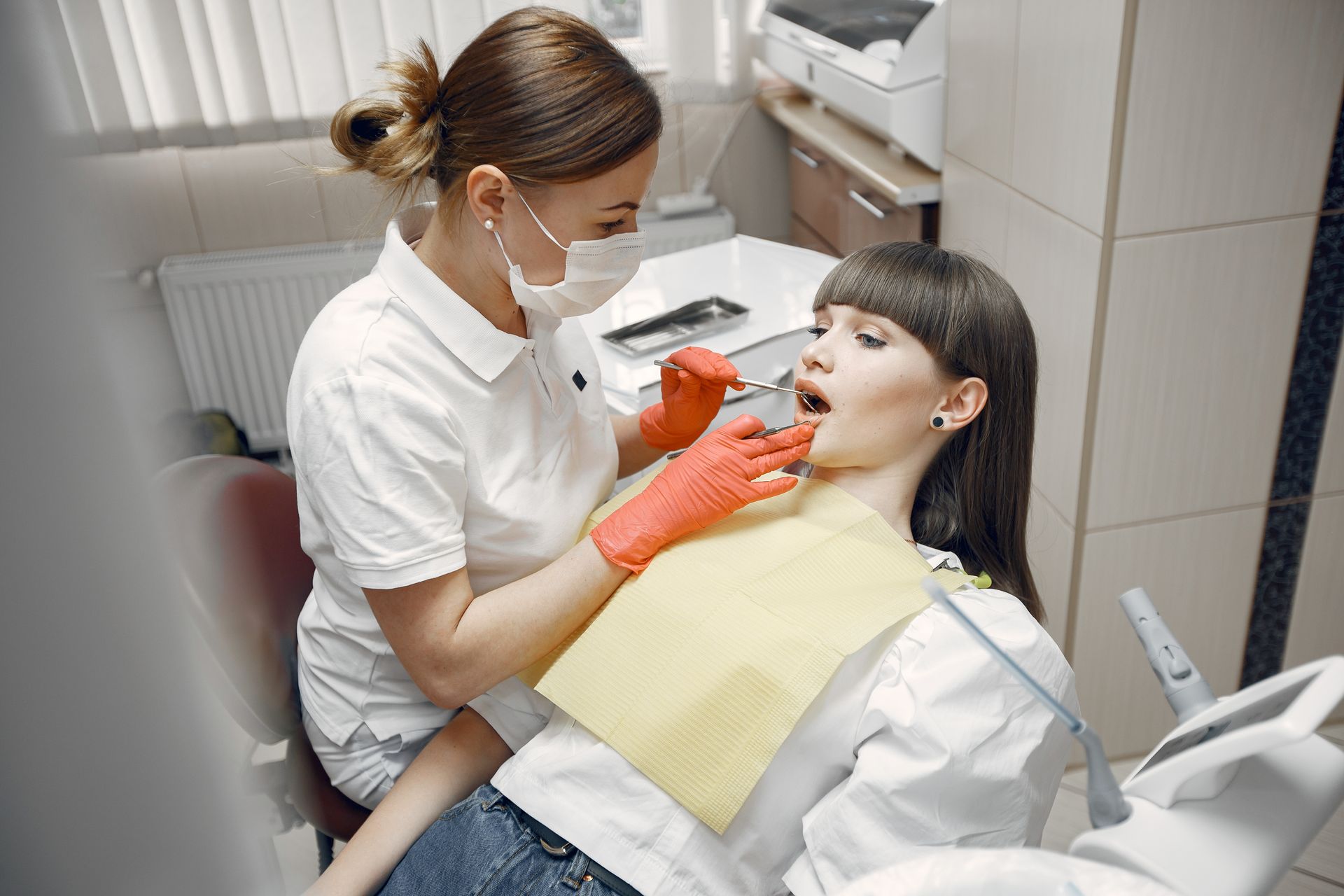
During a TMJ exam, a family dentist in Flower Mound or Hickory Creek may:
- Listen and feel the joints as you open and close
- Check how wide you can open and if the jaw swings to one side
- Gently press on the muscles of the face and neck
- Take dental X-rays to look at the teeth, bite, and jaw area
If the pattern is more complex, advanced imaging can help. A CBCT scan can give a 3D view of the bony parts of the joint, while an MRI can show the position and health of the disc and soft tissues. These images can guide whether you need a simple mouthguard, bite adjustment, or more focused TMJ care.
Your dentist might also coordinate care with other providers, such as an oral surgeon, a TMJ-focused specialist, an orthodontist, or a physical therapist. Early evaluation can keep small joint changes from turning into bigger problems that affect chewing, talking, and daily comfort.
Take the Next Step Toward a Quieter, Healthier Jaw
Jaw clicking without pain often starts as a small annoyance, but it is still your body sending a message. Paying attention now, keeping an eye on new symptoms, and making a few kinder choices for your jaw can go a long way. As schedules fill up and stress levels rise, it becomes even more important not to ignore what your TMJ is telling you.
At Dazzle Dental Care, we help families in Flower Mound and Hickory Creek sort out whether jaw sounds are simple or need closer study. With a careful exam, practical habit coaching, and, when needed, custom oral appliances or referrals, we can work together to protect your comfort, chewing, and confidence in your smile for the long term.
Relieve Jaw Pain And Restore Comfortable Everyday Function
If jaw discomfort, headaches, or bite issues are affecting your daily life, we can help you find lasting relief with focused TMJ care. At Dazzle Dental Care, we carefully evaluate your symptoms and create a treatment plan tailored to your needs. Take the first step toward easier chewing, speaking, and sleeping by scheduling an appointment today. Have questions or ready to book now? Simply contact us.