Recognizing Gum Disease Early with a Family Dentist in Flower Mound
Protect Your Family’s Smiles Before Gum Disease Starts
Gum disease starts quietly. It is an infection of the gums and bones that support the teeth, and in an early stage, called gingivitis, it usually does not hurt. That is why many families do not notice a problem until gums are very sore, teeth feel loose, or chewing becomes hard.
A trusted family dentist in Flower Mound can often see early warning signs long before you feel them. With regular visits, we can spot small changes in color, shape, and firmness of the gums that are easy to miss in the mirror at home. It is almost like catching a tiny spark before it turns into a big fire.
As fall routines pick up, school starts, and work schedules settle in, it can be a smart time to get everyone back on track with gum health. In the next sections, we will share what to watch for at home, how we confirm early gum disease, and simple steps to help protect every smile in your family.
Quiet Signs of Early Gum Disease Parents Often Overlook
Early gum disease likes to stay hidden. Many people think they would know right away if something was wrong, but gingivitis is usually calm and quiet at first. The signs can show up in simple, everyday moments.
Common early symptoms include:
- Gums that bleed when brushing or flossing
- Gums that look a little puffy, red, or shiny
- Bad breath that does not go away after brushing
- A constant bad taste that does not go away
Because gingivitis usually does not hurt, busy adults and teens often shrug off bleeding gums. They might think they brushed too hard or have sensitive gums. Over time, though, that ongoing bleeding is the gums asking for help.
Symptoms can look a little different for each age group:
- Kids may have puffy gums around new teeth and bleeding when learning to floss
- Teens with braces often notice more redness and bleeding around brackets and wires
- Adults may see gums pulling away from the teeth or spaces that are harder to clean
- Older family members might notice loose teeth or changes in how their denture or partial fits
Fall can make things worse without you realizing it. Cooler weather often means more hot drinks, comfort foods, and sweet snacks. Busy school nights and sports practices can lead to rushed brushing and skipped flossing, which lets sticky plaque sit longer along the gumline. Over time, that plaque hardens and starts to irritate the gums more and more.
How a Family Dentist in Flower Mound Confirms Gum Health
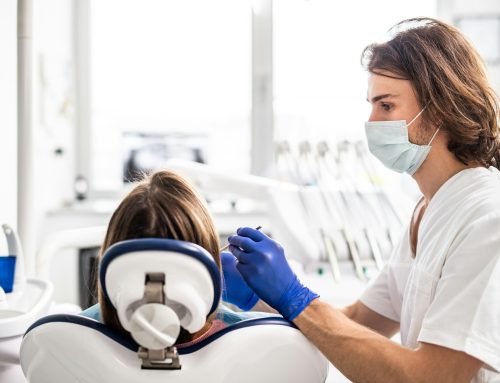
When you visit a family dentist in Flower Mound for a gum check, the process is careful but gentle. Our goal is to understand what is going on under the surface, not just what we can see at a quick glance.
A gum-focused visit usually includes:
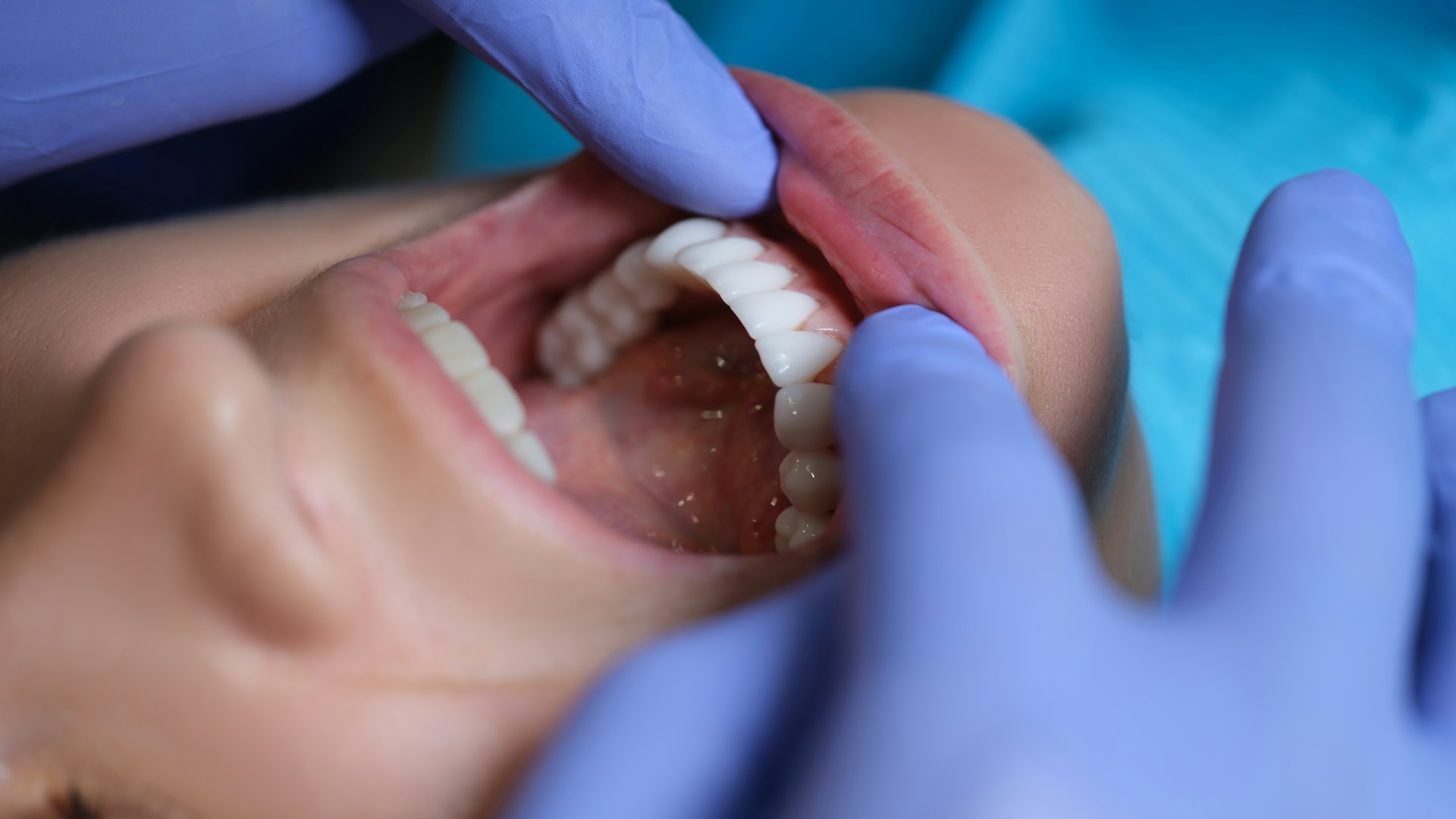
- A visual exam of your gums to look for redness, swelling, or recession
- Measuring the depth of the spaces between your teeth and gums, called gum pockets
- Checking for bleeding points when we gently touch and clean the gums
- Reviewing your medical history and medications that may affect gum health
Modern tools help us see what you cannot see at home. Digital X-rays allow us to check the bone around the teeth for early changes. Intraoral cameras give a clear, up-close view of the gums and teeth so we can show you exactly what we see on a screen.
We also tailor exams by age:
- For kids, we keep it simple, gentle, and positive so they feel safe
- For teens, we check around braces, explain how to clean tricky spots, and watch for early gum irritation
- For adults, we perform more detailed periodontal checks and track changes over time
If you feel nervous, you are not alone. Many people worry that gum exams will hurt. We focus on comfort with gentle techniques, numbing options when needed, and clear explanations before we do anything. When you know what is happening and why, it often feels much easier.
Everyday Habits That Stop Gum Disease in Its Tracks
Stopping gum disease usually starts with small habits that add up. You do not need a complicated routine, just a plan that fits your real life and your family’s schedule.
A simple daily routine for most people includes:
- Brushing for two minutes, twice a day, with a soft-bristled toothbrush
- Flossing once a day to clean between teeth where brushes cannot reach
- Using a dentist-recommended mouth rinse if we suggest it for your gums
- Gently brushing along the gumline, not just the chewing surfaces
During busy fall days, it helps to build habits into things you already do:
- Set phone reminders at the same time each night to floss
- Create a toothbrush chart for kids with stickers for mornings and nights
- Keep floss where you relax in the evening and pair it with TV time
- Use travel-size toothbrushes in backpacks or gym bags for after snacks or sports
Food choices also play a big role. Constant snacking on sugary treats and drinks gives bacteria extra fuel to make plaque. Try focusing on:
- Limiting sticky candies, sweet drinks, and constant snacking
- Choosing crunchy fruits and veggies that gently scrub teeth
- Drinking water often to rinse away food particles
Even with great home care, some tartar (hardened plaque) will still build up. Professional cleanings let us remove that tartar above and below the gumline. For most families, visits about every six months are a good rhythm to stay ahead of gum problems and keep things comfortable.
Personalized Gum Care for Every Stage of Family Life
Gum care is not one-size-fits-all. Your gums change as life changes, and having one trusted practice for your whole family helps us keep track of those changes and plan ahead.
Different stages often need different support:
- Childhood: Teaching brushing and flossing, watching how new teeth and gums develop
- Teen years: Managing braces or aligners, extra cleaning help, and healthy snack choices
- Adulthood: Balancing work, stress, and home care, catching early signs of gum disease
- Pregnancy: Watching for pregnancy-related gum changes and bleeding
- Senior years: Protecting remaining teeth, caring for bridges, dentures, or implants
Because we offer family, cosmetic, restorative, and orthodontic services in one place, we can look at the full picture. When we plan fillings, crowns, cosmetic care, or orthodontic treatment, we always keep gum health in mind. Healthy gums are the base for every other service.
Seeing the same family over many years also lets us notice small, slow changes that might be missed in one quick visit somewhere else. We keep ongoing records of your gum measurements, X-rays, and photos so we can compare and act early. Being part of the Flower Mound and Hickory Creek communities also helps us understand common habits, local water, and lifestyle factors that can affect your family’s oral health.
Schedule a Fall Checkup with Your Family Dentist in Flower Mound
Waiting for pain, loose teeth, or swollen gums usually means gum disease has already moved past the easy stage. The best time to stop gum disease is when it is still quiet, early, and simple to manage.
As your family settles into fall routines, it can be a natural reset point to bring everyone in for a gum health check. A calm, family-friendly visit gives you clear answers about bleeding gums, bad breath, or other changes you have noticed at home, along with a plan that fits each person’s needs.
By partnering with a local family dentist in Flower Mound, your family gains a team that focuses on early detection, gentle care, and long-term prevention for every smile under your roof.
Keep Your Family’s Smiles Healthy and Confident
If you are looking for a trusted family dentist in Flower Mound, we are here to help every member of your household feel comfortable and cared for. At Dazzle Dental Care, we focus on prevention so you can avoid unnecessary discomfort and costly treatments later. Schedule an appointment today and let us create a personalized plan for your family’s long-term oral health, or contact us with any questions.